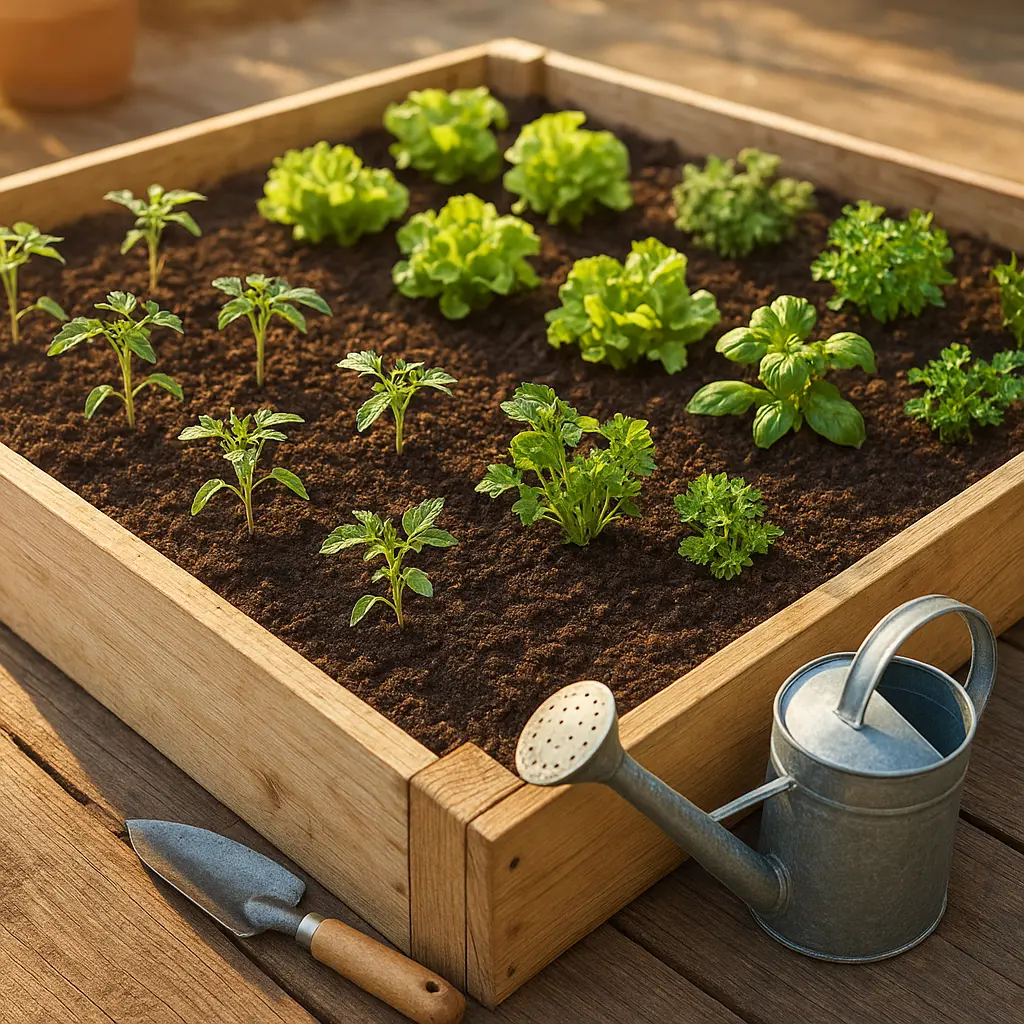
How to Start a Small Vegetable Garden: A Beginner’s Guide
Getting started with a small vegetable garden is one of the most rewarding ways to connect with your food, save money, and enjoy fresh produce. You don’t need a large yard or special equipment to begin. With a little planning, basic tools, and consistent care, you can grow a productive garden in a few raised beds, containers, or a small plot of ground.
Choose the Right Location
Pick a spot that receives at least 6 hours of direct sunlight per day for most vegetables. Good drainage is important—avoid low-lying areas that collect water. If you have limited space, consider containers on a sunny patio or balcony, or raised beds that can be placed closer to your home for easier access.Decide What to Grow
Start with easy, high-reward crops. Tomatoes, lettuce, radishes, green beans, herbs (like basil and parsley), and peppers are great for beginners. Choose varieties suited to your climate and the season. Think about what your household eats often, and plant more of those crops to maximize your harvest.Prepare the Soil
Healthy soil is the foundation of a successful garden. If you’re planting in the ground, test the soil pH and add compost to improve texture and fertility. For raised beds or containers, use a high-quality potting mix blended with compost. Aim for loose, well-draining soil rich in organic matter.Plant at the Right Time
Follow seed packet or plant tag instructions for planting depth and spacing. Pay attention to your local last frost date and sow cool-season crops like lettuce and peas before summer, while warm-season crops like tomatoes and peppers should go in after the danger of frost has passed. Stagger plantings of fast-growers like radishes and lettuce every few weeks for a continuous harvest.Water Consistently
Vegetables need regular watering, especially during dry spells. Water deeply and less frequently to encourage strong root growth, rather than shallow, daily sprinkling. Aim to keep the soil evenly moist—mulching around plants helps retain moisture and suppress weeds.Feed Your Plants
Use compost or a balanced organic fertilizer according to product directions. Leafy greens appreciate nitrogen-rich feeds, while fruiting crops like tomatoes benefit from fertilizer higher in phosphorus and potassium once they start flowering. Avoid over-fertilizing, which can lead to lush leaves but fewer vegetables.Manage Pests and Diseases
Inspect plants regularly for signs of pests or disease. Encourage beneficial insects like ladybugs and lacewings by planting flowers and herbs nearby. Use row covers to protect young plants from insects and consider organic controls such as insecticidal soap or hand-picking pests. Good airflow and crop rotation help reduce disease pressure.Harvest and Enjoy
Harvest vegetables when they’re ripe for the best flavor and to encourage continued production. Leafy greens can be cut young for tender salads, while tomatoes and peppers should ripen fully on the plant. Regular harvesting reduces waste and keeps plants productive.
Quick Tips for Success
- Start small and expand as you gain confidence.
- Keep a simple garden journal to track what you planted, when, and how it performed.
- Replenish soil with compost each year to maintain fertility.
- Learn from each season and adjust planting times and varieties accordingly.
Conclusion
A small vegetable garden can deliver big rewards: fresh flavors, more control over what you eat, and the satisfaction of growing your own food. With attention to location, soil, planting timing, and regular care, beginners can achieve a productive, low-stress garden that feeds the family and brings enjoyment all season long.